
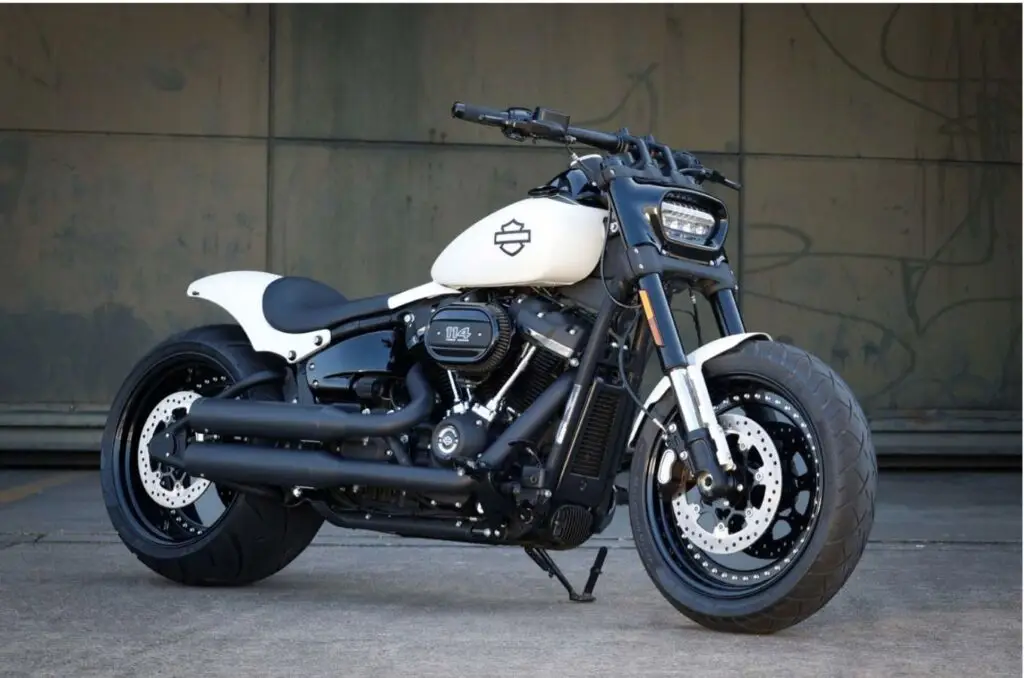
A Harley-Davidson motorcycle needs regular maintenance to deliver reliable performance, smooth handling, and long-term dependability. Following the right maintenance routine can help riders identify potential problems early and keep essential components working as they should.
Many routine maintenance tasks can be performed by owners with the right tools, basic mechanical knowledge, and a reliable Harley-Davidson service manual. A service manual provides detailed procedures, specifications, and maintenance information to help you work through each task correctly.
In this guide, we’ll cover the essential maintenance practices every Harley-Davidson rider should know.
Why Regular Maintenance Matters
Routine maintenance helps your Harley-Davidson:
- Improve engine performance
- Increase fuel efficiency
- Extend engine life
- Prevent unexpected breakdowns
- Improve rider safety
- Maintain resale value
- Reduce expensive repair costs
Ignoring scheduled maintenance often leads to premature wear and costly repairs.
1. Check Your Engine Oil Frequently
Engine oil is one of the most important fluids in your motorcycle. It lubricates internal engine components, reduces friction, and helps remove heat.
Best Practices
- Check the oil level before long rides.
- Replace the oil and filter according to the service schedule.
- Use the oil grade recommended for your Harley model.
- Always install a new oil filter during oil changes.
Fresh oil keeps the engine running smoothly and protects it from unnecessary wear.
2. Inspect the Air Filter
Your engine needs clean airflow for maximum performance.
A dirty air filter can:
- Reduce horsepower
- Increase fuel consumption
- Cause poor throttle response
- Affect engine performance
Inspect the air filter regularly and replace it when necessary.
3. Maintain Proper Tire Pressure
Tires directly affect handling, braking, and fuel economy.
Check:
- Front tire pressure
- Rear tire pressure
- Tire tread depth
- Sidewall condition
Properly inflated tires provide better grip, improve stability, and increase tire life.
4. Inspect the Brake System
Your brakes are your most important safety feature.
Regularly inspect:
- Brake pads
- Brake discs
- Brake fluid level
- Brake hoses
- Brake lever feel
Replace worn brake pads before they reach the minimum thickness.
5. Keep the Battery Fully Charged
A healthy battery ensures reliable starting and proper electrical system performance.
Maintenance Tips:
- Clean battery terminals.
- Tighten battery connections.
- Check charging voltage.
- Use a battery maintainer if the motorcycle is stored for long periods.
Replacing an aging battery before it fails can prevent inconvenient breakdowns.
6. Inspect the Drive Belt
Most Harley-Davidson motorcycles use a belt drive system.
Check for:
- Cracks
- Frayed edges
- Missing belt teeth
- Proper belt tension
A damaged drive belt should be replaced immediately to avoid roadside failures.
7. Replace Spark Plugs on Schedule
Spark plugs play a key role in engine performance.
Old spark plugs can cause:
- Hard starting
- Reduced fuel economy
- Poor acceleration
- Engine misfires
Always install the correct spark plugs specified for your Harley-Davidson model.
8. Tighten Important Fasteners
Harley motorcycles naturally produce vibration during operation.
Inspect and tighten:
- Exhaust bolts
- Engine mounts
- Handlebar clamps
- Mirrors
- Foot pegs
- Saddlebag mounts
Always use the torque values provided in your service manual.
9. Keep Your Motorcycle Clean
Cleaning your Harley isn’t only about appearance.
Regular washing helps prevent:
- Rust
- Corrosion
- Dirt buildup
- Paint damage
Wash the motorcycle using products specifically designed for motorcycles and dry it thoroughly after cleaning.
10. Follow the Factory Maintenance Schedule
Professional mechanics never guess when servicing a motorcycle. They follow the manufacturer’s maintenance schedule.
Your Harley-Davidson service manual includes recommended intervals for:
- Engine oil changes
- Primary fluid replacement
- Transmission oil service
- Brake fluid replacement
- Fork maintenance
- Air filter replacement
- Spark plug replacement
- Drive belt inspection
Sticking to this schedule helps ensure reliable long-term performance.
Essential Tools Every Harley Owner Should Have
If you enjoy maintaining your own motorcycle, keep these tools in your garage:
- Harley-Davidson Service Manual
- Socket Set
- Torque Wrench
- Allen Key Set
- Screwdriver Set
- Oil Filter Wrench
- Tire Pressure Gauge
- Battery Charger
- Spark Plug Socket
- Digital Multimeter
- Motorcycle Lift (Optional)
Having the right tools makes maintenance safer and more efficient.
Common Maintenance Mistakes to Avoid
Avoid these common errors:
- Skipping scheduled oil changes
- Using incorrect engine oil
- Ignoring unusual noises
- Over-tightening bolts
- Neglecting brake inspections
- Riding with worn tires
- Ignoring warning lights
- Delaying battery replacement
Preventive maintenance is almost always less expensive than major repairs.
Signs Your Harley Needs Immediate Attention
Watch for these warning signs:
- Oil leaks
- Engine overheating
- Excessive smoke
- Brake noise
- Weak battery
- Difficulty starting
- Unusual vibrations
- Poor acceleration
- Fluid leaks
- Electrical problems
If you notice any of these symptoms, inspect the motorcycle or consult the appropriate service manual before continuing to ride.
Final Thoughts
Maintaining your Harley-Davidson like a professional mechanic doesn’t require years of experience. It requires consistency, attention to detail, and the correct service information. By following a regular maintenance routine and using a Harley-Davidson service manual, you can improve reliability, reduce repair costs, and enjoy thousands of miles of trouble-free riding.
A well-maintained Harley not only performs better but also retains its value and delivers a safer, more enjoyable riding experience.
Frequently Asked Questions
How often should I service my Harley-Davidson?
Follow the maintenance intervals listed in your Harley-Davidson service manual, as they vary by model and riding conditions.
Can I perform Harley maintenance at home?
Yes. Many routine tasks, such as oil changes, air filter replacement, and battery maintenance, can be completed with basic tools and the correct service manual.
What is the most important maintenance task?
Regular oil changes and following the factory maintenance schedule are among the most important ways to protect your engine and extend its lifespan.